
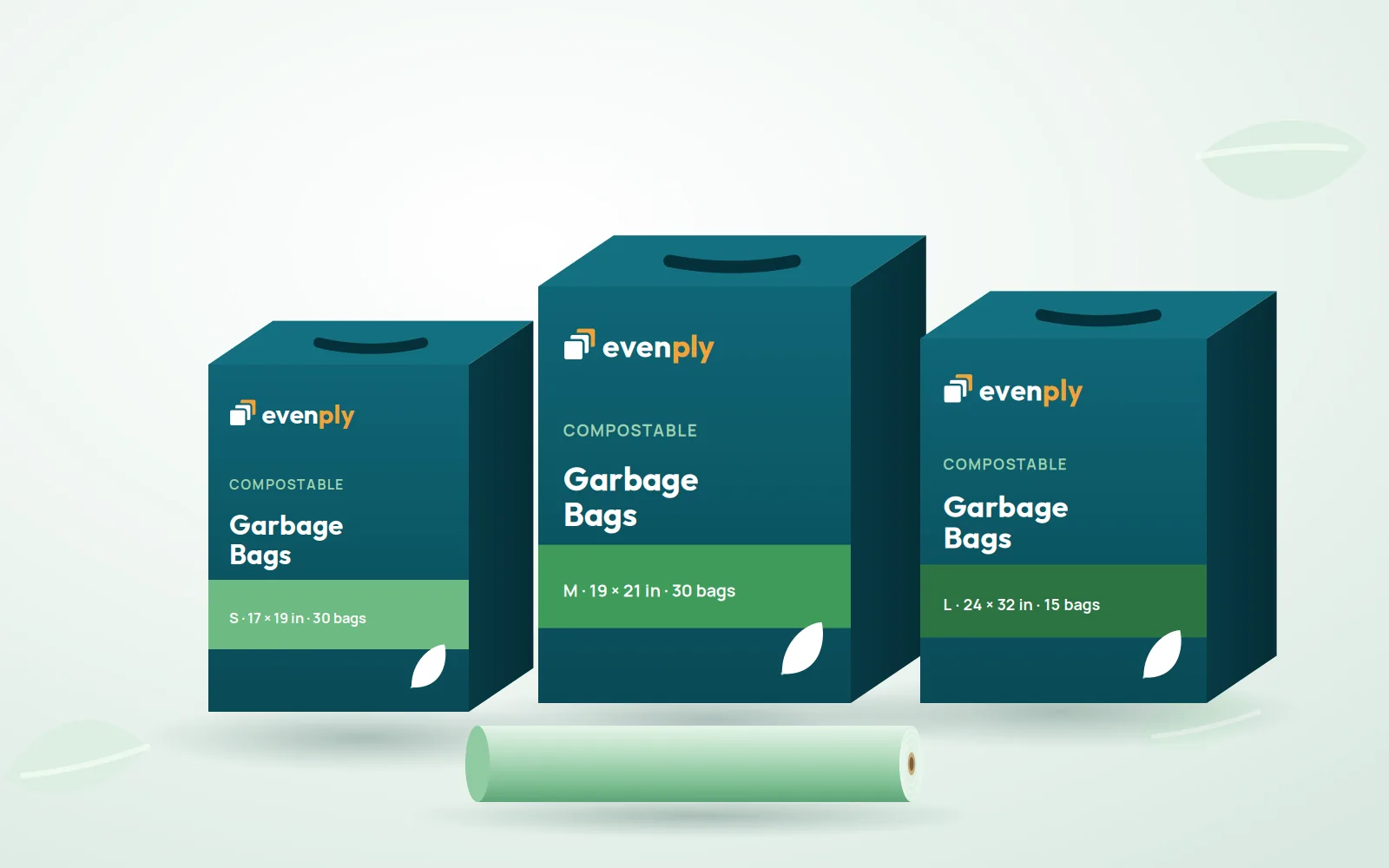
Garbage bags on a roll
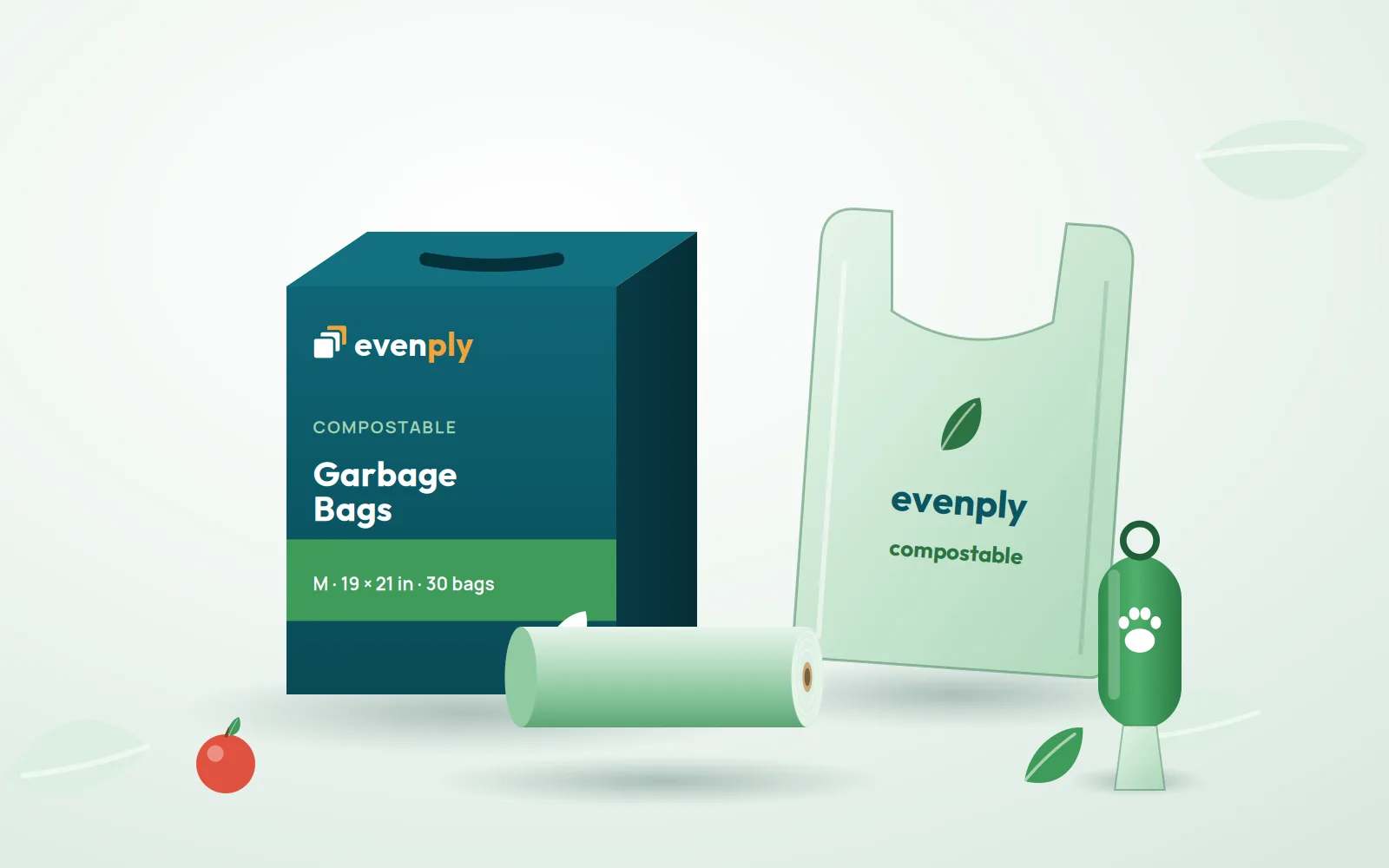
For kitchen bins at home, in restaurants and in offices. Star-sealed bottom that doesn't leak at the seams, and an easy tear-off roll.
Made from compostable material instead of polythene, for Punjab's homes, shops and kitchens. Tell us what you need and we'll message you on WhatsApp when the range lands.
Tap Notify me on the bag you want. We'll message you on WhatsApp when it's ready, with rates.

For kitchen bins at home, in restaurants and in offices. Star-sealed bottom that doesn't leak at the seams, and an easy tear-off roll.

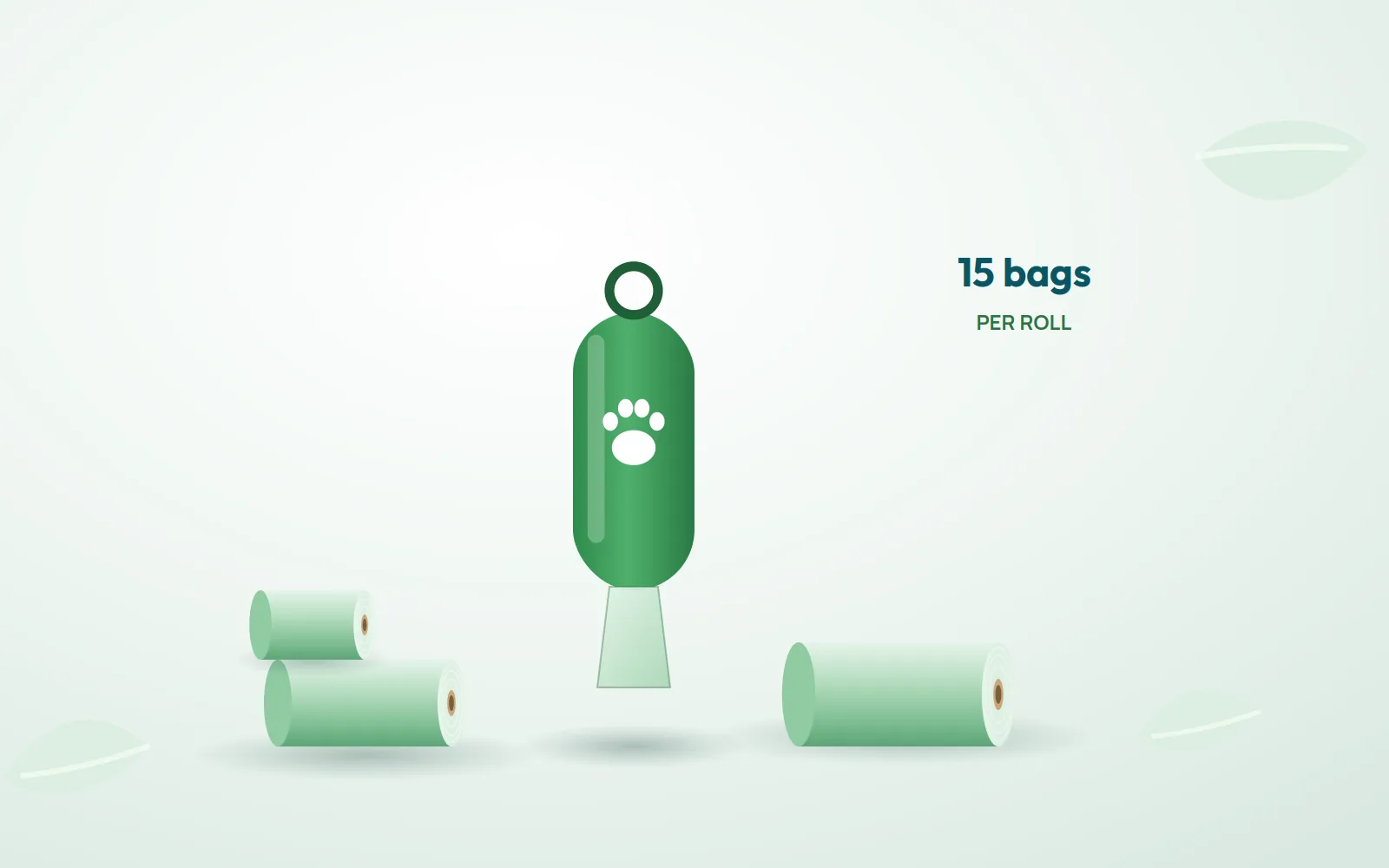
Rolls of 15 that clip onto your dog's lead in a small dispenser. Thin, strong and compostable.

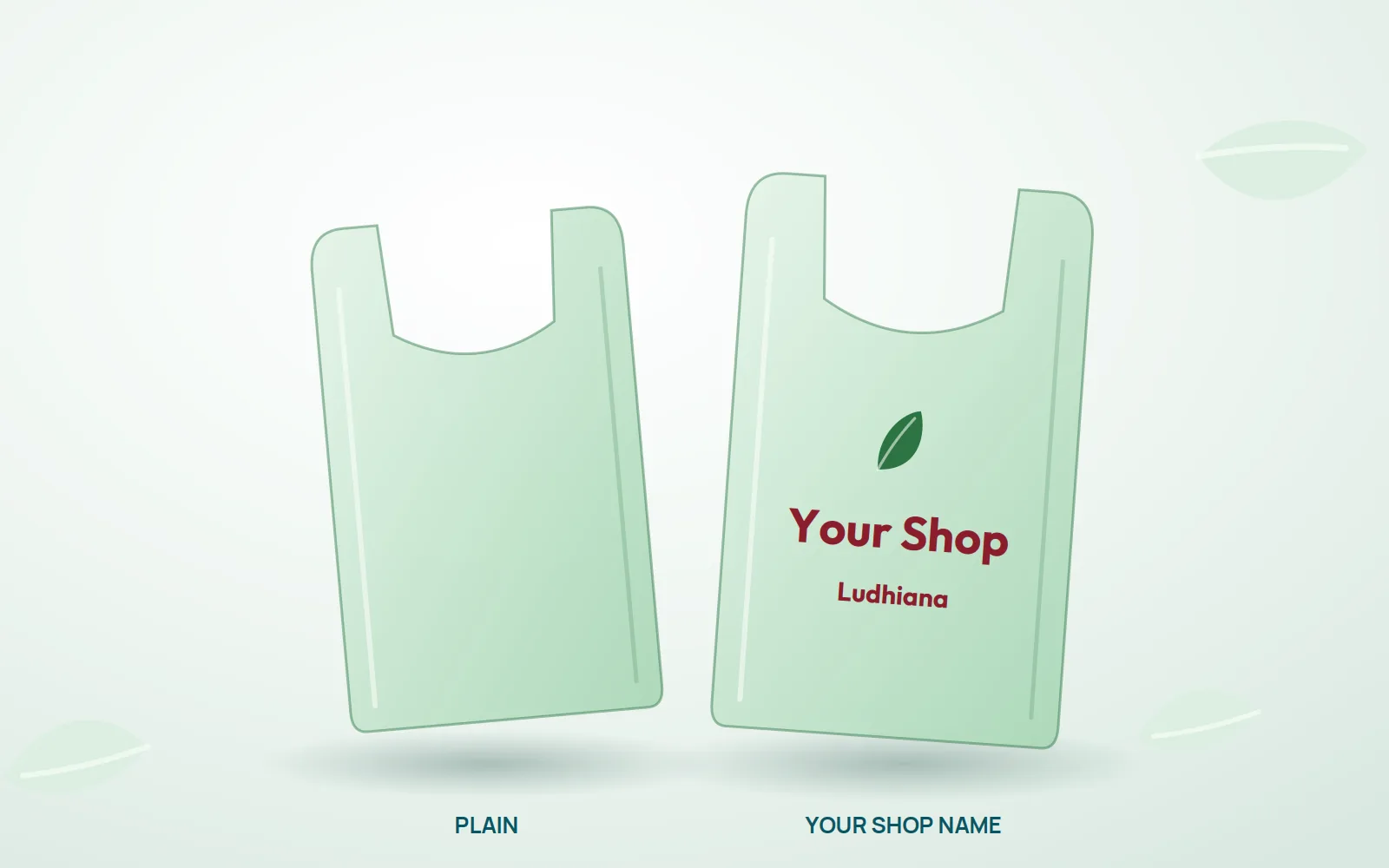
Vest-style carry bags for sweet shops, restaurants and stores. Plain, or with your shop's name printed on them.

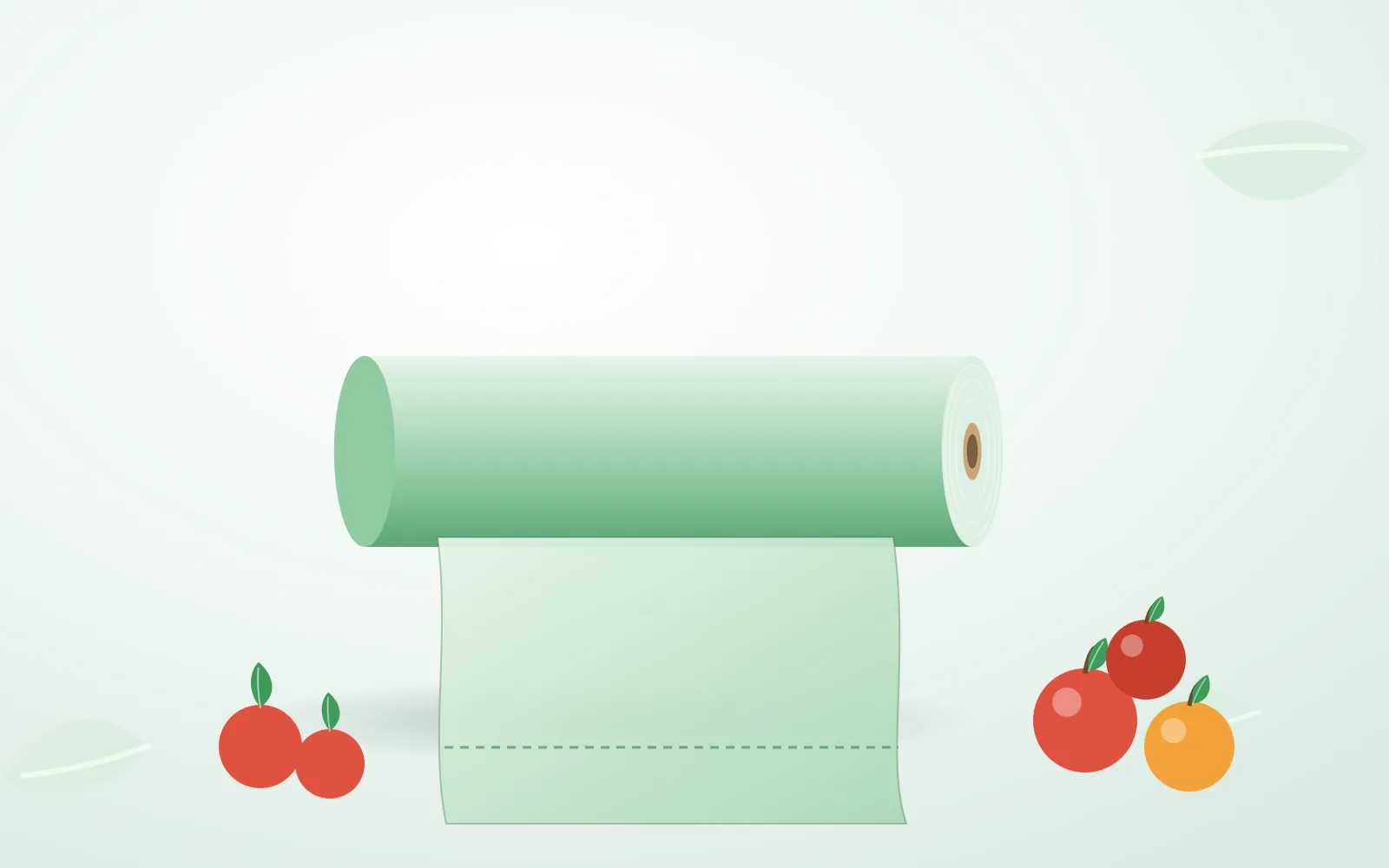
Tear-off bags for fruit and vegetable sellers, supermarkets and kirana stores.
Sizes and pack counts shown are planned and may change at launch.
Compostable bags are made from materials that microbes can digest, such as PBAT blended with corn starch or PLA. In an industrial composting plant they turn into water, carbon dioxide and compost, with no plastic left behind.
Compost feeds the next crop, and the cycle starts again.
What the compostable standard (IS/ISO 17088) requires, day by day, in industrial composting.
These are the pass marks of the test every certified compostable bag must meet. In soil, a garden or a home compost pit it takes longer, because it is cooler and drier than a composting plant. That's why they belong in the wet-waste bin.
Compostable plastics in India are tested to IS/ISO 17088, which checks that the material breaks down in industrial composting conditions within 180 days and leaves nothing harmful in the compost.
Every Evenply compostable bag will carry its CPCB certificate number and a QR code on the pack, so you can check it yourself.
| Polythene bag | "Degradable" / oxo bag | Evenply compostable | |
|---|---|---|---|
| Made from | Polyethylene | Polyethylene with an additive | Compostable polymers (PBAT with corn starch or PLA) |
| After use | Stays as plastic for decades | Breaks into small pieces of plastic | Turns into compost in industrial composting |
| Carry bags in Punjab | Not allowed | Not allowed | Allowed when CPCB-certified |
| Certificate on pack | No | Usually no | CPCB number and QR code |
A compostable bag only does its job if it reaches composting. These small habits help.
They're a bioplastic, made from compostable polymers instead of polyethylene. They look and feel like a thin plastic bag, but microbes can break them down in composting.
Indian rules treat them as separate things. "Compostable" bags are tested to IS/ISO 17088 and certified by CPCB. Many bags sold as "biodegradable" or "degradable" are ordinary plastic with an additive that only breaks them into smaller pieces. Evenply bags will say compostable and carry the certificate number.
In industrial composting, the standard requires at least 90% of the bag to break into pieces under 2 mm by day 84, and at least 90% to turn into water, carbon dioxide and compost by day 180. In soil or a home pit it takes longer.
They're made and tested for industrial composting, which runs hotter than a home pit. Put them in your wet-waste bin so they reach a composting plant.
Yes, for everyday kitchen waste. As with any bag, don't overfill it or put sharp things like broken glass inside.
Yes. Send your shop name or logo on WhatsApp and we'll send a proof first, just like our printed napkins.
Soon. Tap Notify me and we'll message you on WhatsApp the day they're ready, with rates for your quantity.
Tell us which bags you need and roughly how many. We'll message you on WhatsApp at launch.